Understanding the psychology behind gambling behavior in casinos
The Allure of Gambling: Why People Are Drawn In
The psychological allure of gambling can be understood through various frameworks, including excitement, risk-taking behavior, and social interaction. Many individuals find the adrenaline rush associated with placing bets and playing games to be highly stimulating. This thrill is often reinforced by positive reinforcement when a player wins, creating a cycle of behavior that keeps them coming back for more. The casino environment is specifically designed to heighten this sensation, with bright lights, sounds of winning, and a generally vibrant atmosphere that invites participation.
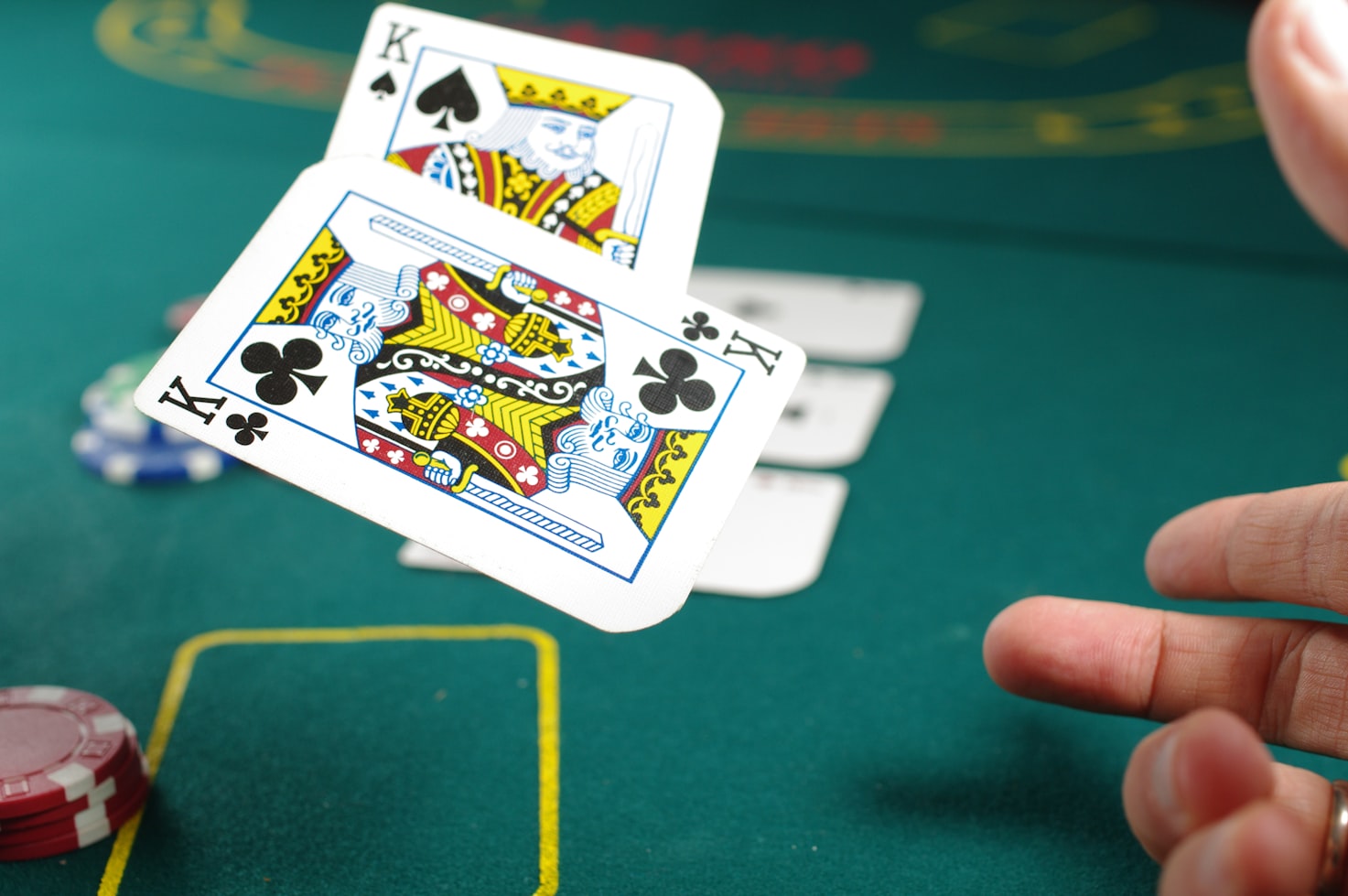
Another psychological component at play is the concept of escapism. For many, gambling provides a temporary reprieve from everyday stressors and mundane routines. In a casino, players can immerse themselves in a different world, where the usual worries seem to fade away. This ability to escape reality can be compelling, especially for individuals facing personal or financial challenges. The casino environment capitalizes on this need for escape, offering an all-encompassing experience that captivates the senses and draws players deeper into the gaming world. Westace site
Lastly, the social aspect of gambling cannot be overlooked. Casinos are often bustling with activity, offering opportunities for interaction among players. This communal experience fosters a sense of belonging and camaraderie. Whether through sharing tips on the best games or celebrating wins together, players often form connections that enhance their overall experience. Such social interactions further reinforce gambling behavior, as the shared excitement can lead to repeated visits and increased betting.
Myths and Realities of Gambling Behavior
One prevalent myth surrounding gambling is that it is solely a game of luck. While luck certainly plays a role, psychological factors significantly influence a player’s behavior and decision-making processes. Gamblers often exhibit cognitive biases, such as the illusion of control, where they believe their actions can influence outcomes, despite the inherent randomness of the games. This misconception can lead to irrational betting strategies and increased gambling frequency, as players chase losses in hopes of regaining control.
Another common myth is that casinos are designed to “trap” players. While it is true that casinos employ tactics to keep players engaged, such as offering free drinks or placing machines in strategic locations, it is essential to recognize that players retain agency over their choices. The reality is that, despite the environment being stimulating and enticing, individuals must be aware of their limits and make conscious decisions about their gambling habits. Understanding this distinction can help mitigate the risks associated with gambling.
The Role of Cognitive Dissonance in Gambling
Cognitive dissonance is a psychological phenomenon that occurs when a person holds two contradictory beliefs or values. In the context of gambling, players may experience dissonance when their losses contradict their belief in their ability to win. To resolve this discomfort, they may rationalize their decisions, leading to continued play even after experiencing significant losses. This tendency can reinforce compulsive gambling behaviors, as players may convince themselves that their luck will change or that they are due for a win.
Another aspect of cognitive dissonance in gambling is the gambler’s fallacy, which is the belief that past events can influence future outcomes in random games. For instance, if a player observes a slot machine not paying out for a while, they might feel that it is “due” for a win. This irrational thinking can fuel further gambling, as individuals are motivated to play under the false belief that they can predict outcomes based on previous results. This misconception often leads to increased financial risk and deeper entrenchment in gambling behavior.
The Impact of Environment on Gambling Behavior
The casino environment plays a crucial role in influencing gambling behavior. The sensory stimulation provided by bright lights, loud sounds, and enticing aromas creates an immersive experience that can be both exciting and disorienting. Casinos are designed to keep players engaged for extended periods, often blurring the lines of time and space. Players may lose track of how long they have been gambling, leading to prolonged sessions and increased financial expenditure.
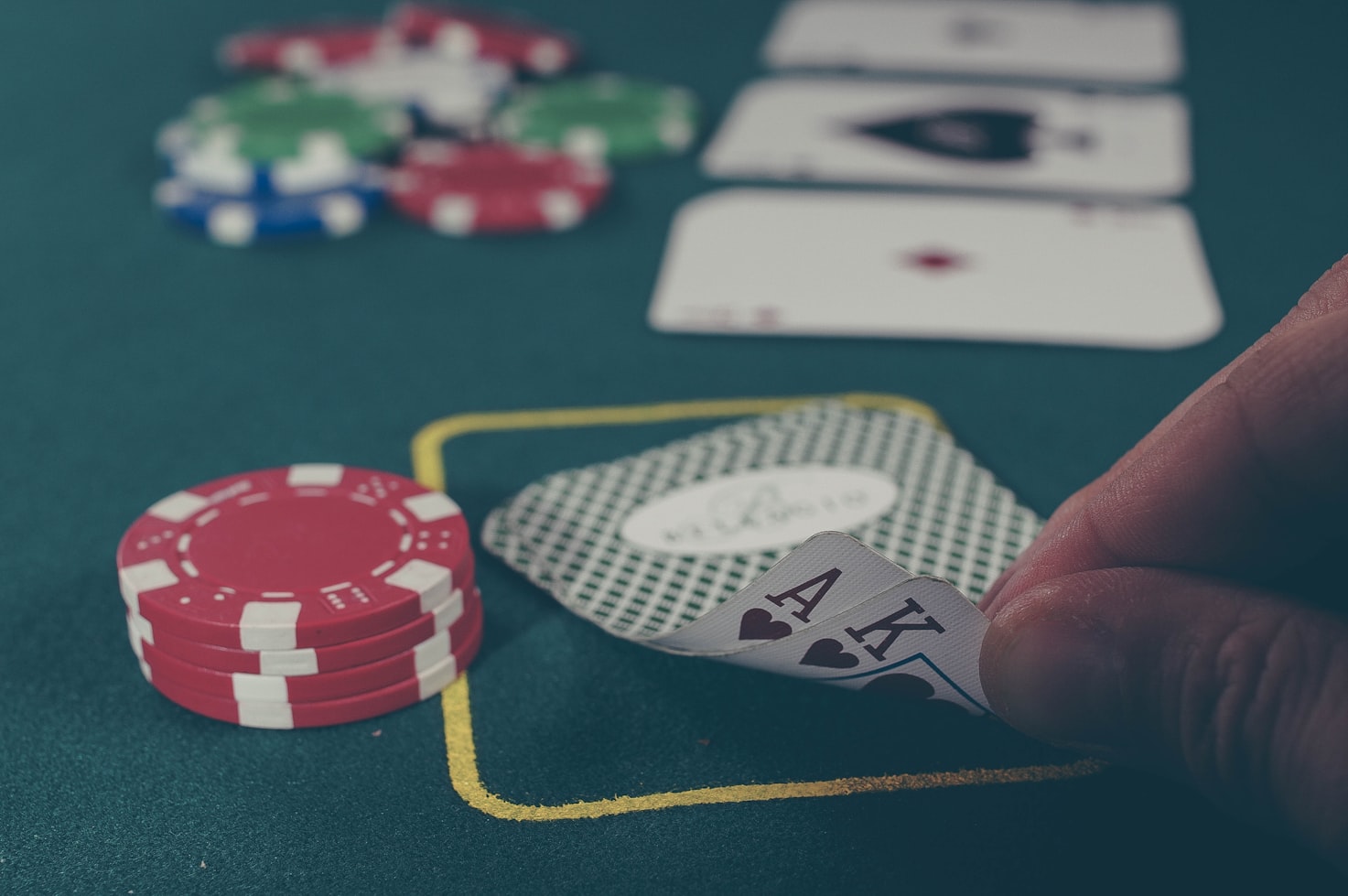
Westace Casino: A Case Study in Responsible Gambling
exemplifies a modern approach to gambling that emphasizes responsible gaming. With a diverse array of games, from slots to live casino options, it provides players with numerous choices while promoting a safe gambling environment. Their commitment to responsible gaming is reflected in their comprehensive measures, including self-exclusion tools and information on gambling addiction. These features empower players to make informed decisions and manage their gambling habits effectively.
The online platform also incorporates user-friendly tools to help players set limits on their deposits and losses. Such proactive measures encourage a healthier relationship with gambling, enabling individuals to enjoy the excitement of games without crossing the line into problematic behavior. Through education and support, stands out as an advocate for responsible gaming practices within the industry.